
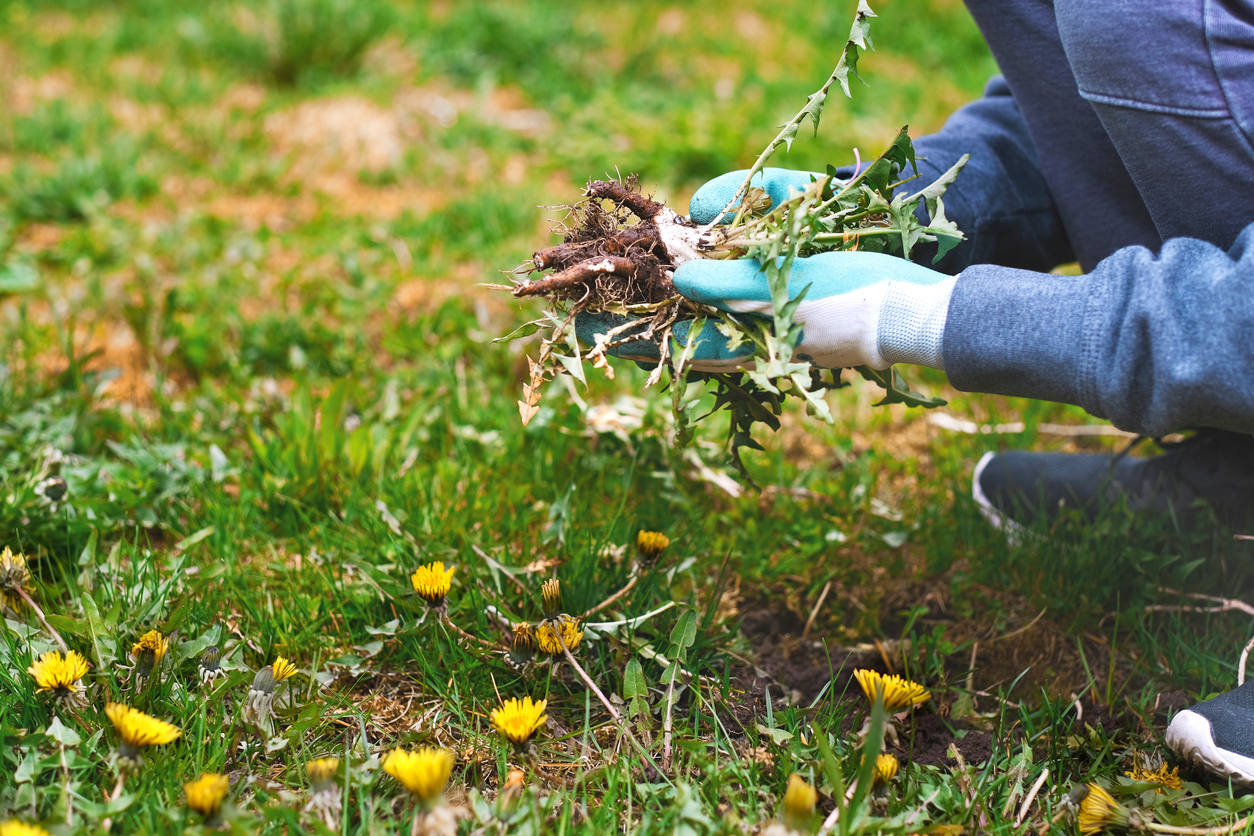
Maintaining a beautiful lawn in Central Ohio can be challenging, especially when dealing with persistent weeds. These invaders not only mar the appearance of a yard but also compete with healthy grass for vital nutrients, water, and sunlight. Knowing which weeds to look out for and how to manage them is key to keeping a lawn in top shape. Here are some of the most common lawn weeds in Ohio, along with effective ways to control them.
Common Lawn Weeds in Ohio
Dandelions
Dandelions are one of the most recognizable lawn weeds. Their yellow flowers quickly turn into puffballs that spread seeds far and wide. Dandelions thrive in weak, thin grass, and once established, they can be tough to control. While hand-pulling dandelions may offer short-term relief, professional herbicide treatments are often necessary to eliminate these weeds at the root and prevent regrowth.
Crabgrass
Crabgrass is an annual weed that tends to appear during the warmer months. It can quickly take over a lawn, especially in areas where the grass has thinned out. Crabgrass spreads low across the ground, making it difficult to manage with regular mowing. Pre-emergent herbicides are essential for preventing crabgrass from taking root in the first place, while post-emergent treatments can be used to tackle it once it starts growing.
Clover
While some homeowners enjoy the sight of clover, it can quickly become a nuisance when it spreads throughout a lawn. Clover thrives in nutrient-poor soil and often outcompetes grass in weak areas. Once established, clover can be difficult to eradicate without professional weed control measures. Proper fertilization and herbicide treatments help restore balance to the lawn and prevent clover from returning.
Ground Ivy (Creeping Charlie)
Ground ivy, also known as Creeping Charlie, is a low-growing perennial weed that thrives in shaded, moist areas. This weed spreads aggressively and can form thick mats that choke out grass. Ground ivy is tough to eliminate through manual removal alone. Effective management typically requires specialized herbicides applied by professionals.
Thistle
Thistle is a particularly stubborn weed that features sharp, spiny leaves and deep roots. Once thistle takes hold, it can be difficult to remove without professional intervention. This weed can spread rapidly, choking out grass and creating unsightly patches across the lawn. Thistle often requires targeted herbicides to effectively kill the plant down to its roots and prevent it from returning.
Managing Weeds with Professional Help
Dealing with common lawn weeds in Ohio requires more than just occasional spot treatments. A comprehensive approach that includes both pre and post-emergent treatments is essential for lasting results. Pre-emergent herbicides stop weeds like crabgrass from germinating, while post-emergent treatments target existing weeds such as dandelions, thistle, and clover. Combining these methods ensures a lawn remains weed-free throughout the growing season.
Professional weed control services also offer the advantage of precise timing and application techniques, which are critical to successfully managing lawn weeds.
The Role of Proper Lawn Care in Weed Prevention
Weeds are opportunistic, often thriving in poorly maintained lawns. Keeping grass at the ideal mowing height and providing adequate fertilization and watering helps create a dense, healthy lawn that can resist weeds. Thicker grass naturally shades out weed seeds and prevents them from germinating, reducing the chances of a weed infestation.
Regular lawn care, including professional treatments and maintenance, is key to keeping weeds under control and ensuring a lush, green lawn.
Conclusion
Weeds like dandelions, thistle, crabgrass, clover, and ground ivy are common problems for homeowners in Central Ohio. However, with the right approach and professional weed control service, these invaders can be managed effectively. Combining pre- and post-emergent treatments with proper lawn care practices helps ensure that a lawn stays healthy and weed-free year-round.
Leave a Reply